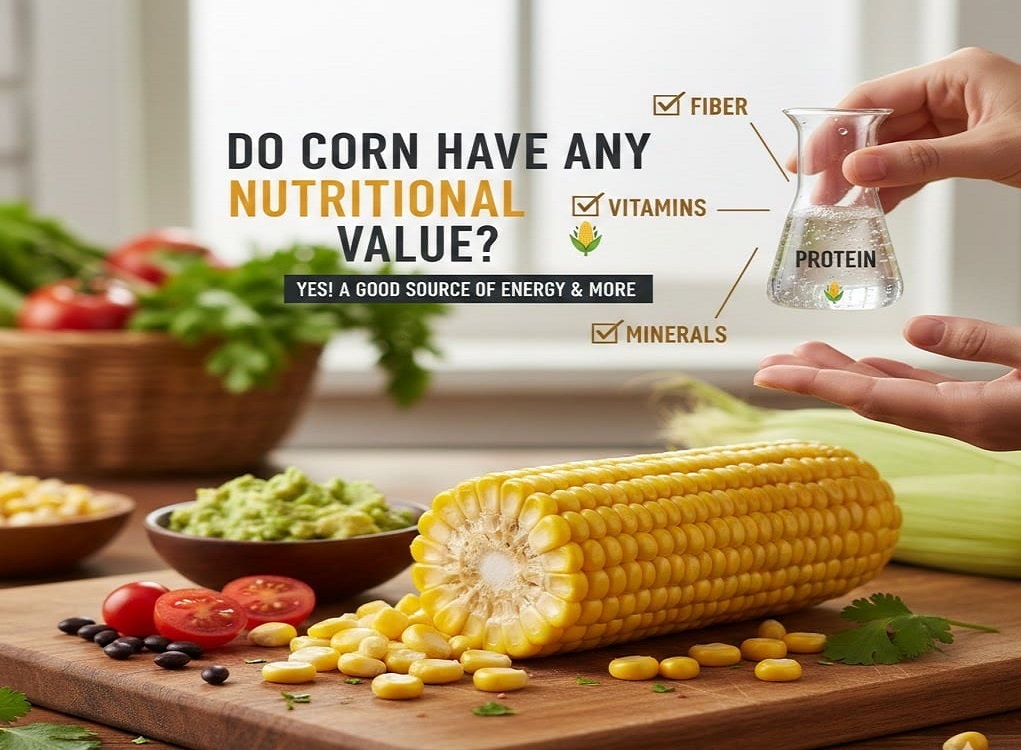
Do Corn Have Any Nutritional Value? Yes, More Than You Think!
You may have always wondered whether that golden ear of corn on your dinner table is doing good for your body or not. Corn is another widely used grain in the world, but most of the world raises the question: do corn have any nutritional value? That is a yes, yes indeed; corn is nutritionally good and can be a healthy part of your diet when you eat it in the appropriate forms and amounts.
Understanding Corn as a Nutritional Powerhouse
Corn is much more than a yummy summer vegetable. It is a versatile grain that comes with vital nutrients that help in various body functions. Fresh, frozen, or popcorn, either way, provides you with fiber, vitamins, and minerals, which help in overall health. It is just a matter of knowing why corn is healthy and how to include it in a healthy diet.
What Nutrients Does Corn Contain?
Do Corn Have Any Nutritional Value? Corn is the most shocking when it comes to the number of vitamins and minerals per kernel. A single ear of sweet corn yields some important quantities of vitamin C, which helps in keeping the immune system and your skin healthy. The B vitamins present in corn, especially thiamin and folate, serve significant purposes in energy metabolism and cell development. Corn has magnesium and potassium that are used to regulate blood pressure and aid in the functioning of the muscles.
Corn is rich in fiber, and it is worth mentioning. One cup of corn kernels has approximately 4 grams of dietary fiber, which is good for the digestive system and makes you feel fuller. It renders corn as an effective food in terms of weight control and digestion.
The Antioxidant Benefits of Corn
The high level of antioxidants is the feature of corn that distinguishes it from most of the grains. The carotenoids, such as lutein and zeaxanthin, are bright yellow producers and are very helpful for eye health of the eye. The compounds are used to prevent age-related cataracts and macular degeneration. Ferulic acid is another potent antioxidant found in corn that can help to reduce inflammation and prevent chronic diseases.
Corn Varieties and Their Nutritional Differences

Not every corn will be equal in terms of nutrition. The most widely consumed type of vegetable is sweet corn, which has the highest amount of sugar yet has the highest amount of vitamins when fresh. Field corn that is dried into cornmeal and corn flour has more protein and fiber. In fact, popcorn is a whole grain that provides amazing quantities of fiber and antioxidants with low calories when air-popped without too much butter or oil.
The color of corn matters, too. Yellow corn is the most common; nevertheless, white corn has the same nutrients. Blue and purple corn types are even more loaded with antioxidants, with their presence of anthocyanins, which are the same useful compounds present in blueberries.
How Processing Affects Corn’s Nutritional Value
The fresh corn on the cob has the highest nutritional value. In the second place, there is frozen corn, which is usually frozen at the maximum level of freshness, and it retains most of the nutrients. Canned corn is also healthy but tends to have added sodium, and therefore, it is a good idea to use the low-sodium ones. Corn products such as corn syrup and refined cornmeal are highly processed and therefore lose most of their nutrient and fiber content during the processing.
Health Benefits of Eating Corn
Frequent corn ingestion can help maintain the health of the digestive system due to the presence of insoluble fiber in it, which leads to the regularity of bowel movements and the nourishment of useful gut microorganisms. Corn consumes insulin-sensitizing starch, which is resistant to digestion and is beneficial in controlling blood sugar, albeit in moderation.
As far as the heart is concerned, corn contains plant sterols and fiber, which may reduce the cholesterol level. The folate in corn helps to maintain cardiovascular activity by helping to maintain the homocysteine levels. In the meantime, a fiber and antioxidant combination can help decrease inflammation in the whole body.
Common Concerns About Corn Nutrition
Other individuals are concerned that corn is rich in carbohydrates or sugar and hence cannot be healthy. Although corn does have a higher amount of carbs than non-starchy vegetables, such as broccoli or spinach, it is a healthy whole food that can be easily integrated into most eating habits. Sweet corn is rich in fiber that accompanies the natural sugars and slows down the digestion process, preventing spikes in blood sugar.
The other issue is regarding genetically modified corn. Most of the field corn cultivated in the United States is GMO, although sweet corn that is sold for direct consumption is generally non-GMO. Looking for organic or non-GMO certified will also do the trick, seeing as this is important to you.
Is Corn Good for Weight Loss?
Corn indeed can be included in a weight-loss diet when it is eaten in the right amount. The fiber content in it keeps you fuller, which makes you have fewer meals. Nevertheless, ways of preparation are important. Corn that is grilled using little butter will contain significantly fewer calories than corn covered with butter and cheese or corn fritters.
Best Ways to Prepare Corn for Maximum Nutrition
To preserve corn’s nutritional value, choose cooking methods that don’t require excessive fats or long cooking times:
- Steaming or boiling corn for 5-7 minutes keeps nutrients intact while making kernels tender
- Grilling corn in the husk adds smoky flavor without extra calories
- Air-popping popcorn creates a healthy, fiber-rich snack
- Roasting corn kernels with a light spray of oil brings out natural sweetness
- Adding raw corn to salads provides maximum vitamin C and crunch
Avoid deep-frying corn or drowning it in heavy sauces, which add unnecessary calories and saturated fat while overshadowing corn’s natural nutritional benefits.
Nutrition Facts Table
Sweet Corn Nutrition (1 medium ear, approximately 90g)
| Nutrient | Amount | % Daily Value |
| Calories | 77 | – |
| Carbohydrates | 17 g | 6% |
| Dietary Fiber | 2.4 g | 9% |
| Protein | 3 g | 6% |
| Vitamin C | 6.9 mg | 8% |
| Thiamin (B1) | 0.16 mg | 13% |
| Folate | 42 mcg | 11% |
| Magnesium | 35 mg | 8% |
Who Should Eat Corn and Who Should Limit It?
Corn can be included in the healthy diet of the majority of people. The carbohydrates in corn serve as energy to athletes and active people. Children find the natural sweetness of corn attractive and get the essential nutrients to develop. Folate helps in fetal development and is beneficial for pregnant women.
Yet, the amount of portions should be paid attention to by people with diabetes, as corn does affect blood sugar. Corn allergies make those with this allergy avoid it at all costs, although the cases of true corn allergies are quite uncommon. Individuals on the very low-carb diets, such as keto, usually avoid corn.
Frequently Asked Questions
Is corn a vegetable or a grain?
Corn is botanically a grain, but fresh sweet corn is typically treated as a vegetable in culinary contexts. When dried and processed, it’s considered a grain or cereal.
Does cooking corn reduce its nutritional value?
Brief cooking actually increases the availability of some antioxidants in corn, particularly ferulic acid. However, overcooking or boiling in excessive water can leach out water-soluble vitamins like vitamin C and B vitamins.
Can diabetics eat corn?
Yes, diabetics can eat corn in moderation. It has a moderate glycemic index, and the fiber content helps slow sugar absorption. Pairing corn with protein or healthy fats further stabilizes blood sugar response.
Is frozen corn as nutritious as fresh corn?
Frozen corn retains most of its nutritional value since it’s flash-frozen shortly after harvest. In some cases, frozen corn may contain more nutrients than “fresh” corn that’s been sitting in storage or transport for days.


