
Doghaus Nutrition: A Complete Guide to Premium Canine Health
When it comes to your dog’s health and longevity, nutrition isn’t just important—it’s everything. Doghaus nutrition has emerged as a leading approach to canine wellness, emphasizing whole-food ingredients, species-appropriate meals, and science-backed formulations that veterinary experts like Dr. Gary Richter and Dr. Marty Goldstein have long advocated for.
Understanding the Doghaus Nutrition Philosophy
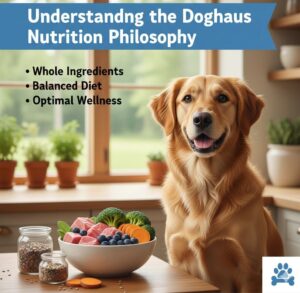
Doghaus Nutrition focuses on a simple yet strong principle: dogs are happy with real, recognizable food. This is in contrast to traditional kibble, which is full of fillers, artificial additives, and other mystery-meat byproducts, whereas this nutritional component resembles what dogs would eat in the wild.
Dr. Marty Goldstein is a well-known integrative veterinarian with more than 45 years of experience who has always stressed the fact that dogs are carnivores in the first place. They are not programmed to digest corn, wheat, and soy but meat, organs, and bones. This paradigm forms the basis of the Doghaus nutrition model, with the primary emphasis on protein-dense, grain-free products that are consistent with the biological requirements of your dog.
The Core Principles
Whole food ingredients form the foundation of quality dog nutrition. This will include real chicken, beef, turkey, salmon, and lamb as the main source of protein, with the supplement of fruits and vegetables rich in dietary nutrients such as blueberries, carrots, and spinach.
Minimal processing preserves vital nutrients that heat and heavy manufacturing destroy. Freeze-drying and low-heat cooking techniques preserve the nutrients of ingredients and make sure that your dog gets the maximum out of every meal.
No artificial additives means eliminating synthetic colors, flavors, and preservatives that contribute nothing to canine health and may even cause harm over time.
Key Nutritional Components Your Dog Needs
Premium Protein Sources
Protein isn’t just about muscle development—it’s the building block of your dog’s entire body, from organs to skin to immune function. Dr. Gary Richter, author of “The Ultimate Pet Health Guide” and a holistic veterinary care pioneer, recommends that dogs receive at least 40-50% of their calories from quality animal protein.
The best protein sources include:
- Grass-fed beef is rich in omega-3 fatty acids and conjugated linoleic acid
- Wild-caught salmon is packed with essential fatty acids for skin and coat health
- Free-range turkey provides lean protein and vital amino acids
- Organ meats like liver and heart offer concentrated nutrition
Healthy Fats for Optimal Function
Fats often get a bad reputation, but they’re essential for canine health. They provide energy, support brain function, reduce inflammation, and keep your dog’s coat shiny and skin healthy.
Quality fat sources in Doghaus nutrition include:
- Omega-3 fatty acids from fish oil and flaxseed
- Omega-6 fatty acids from chicken fat and sunflower oil
- Medium-chain triglycerides (MCTs) from coconut oil for brain health
Functional Fruits and Vegetables
While dogs are primarily carnivorous, they benefit significantly from certain plant-based nutrients. These provide antioxidants, fiber, vitamins, and minerals that support overall wellness.
Nutrient-rich additions include:
- Blueberries for antioxidant protection
- Sweet potatoes offer complex carbohydrates and fiber
- Pumpkin supports digestive health
- Broccoli provides cancer-fighting compounds
- Spinach is packed with iron and vitamins
Why Grain-Free Matters
Dr. Marty Goldstein has been vocal about the problems associated with grain-heavy commercial dog foods. Many dogs develop sensitivities to grains like wheat, corn, and soy, leading to:
- Chronic skin irritation and hot spots
- Digestive upset and inconsistent stools
- Low energy and lethargy
- Excessive shedding and dull coat
- Weight gain and obesity
Grain-free formulations eliminate these common allergens while providing more species-appropriate nutrition. Instead of cheap grain fillers, premium recipes use nutrient-dense alternatives that actually benefit your dog’s health.
The Importance of Probiotics and Digestive Enzymes
A healthy gut equals a healthy dog. Dr. Gary Richter emphasizes that approximately 70% of the immune system resides in the digestive tract, making gut health paramount to overall wellness.
Quality dog nutrition should include:
- Probiotics to support beneficial bacteria populations
- Digestive enzymes to aid nutrient absorption
- Prebiotic fiber to feed good bacteria
- Bone broth for gut-healing collagen and amino acids
These components work synergistically to improve digestion, boost immunity, reduce inflammation, and enhance nutrient bioavailability.

The pet food industry isn’t always transparent, which is why understanding labels is crucial. Here’s what to look for:
Ingredient order matters—ingredients are listed by weight. The first five ingredients should be quality proteins and whole foods, not grains or by-products.
Avoid these red flags:
- Meat “by-products” or “meal” from unspecified sources
- Artificial colors (Blue 2, Red 40, Yellow 5 and 6)
- Chemical preservatives (BHA, BHT, ethoxyquin)
- Generic terms like “animal fat” or “meat meal.”
- Corn, wheat, and soy as primary ingredients
Look for these quality indicators:
- Named meat sources (chicken, beef, salmon)
- Whole fruits and vegetables
- Natural preservatives (mixed tocopherols, vitamin E)
- AAFCO certification for complete and balanced nutrition
Transitioning to Premium Nutrition
There is a need to be patient and strategic when you are changing the food of your dog. Sudden food switches may produce stomach discomfort. Adhere to the following step-by-step plan:
Day 1-3 25% new food, 75% old food. Day 4-6: 50 percent new food, 50 percent old food. Day 7-9: 75 percent new food, 25 percent old food. Day 10 and beyond: 100 percent new food.
Keep an eye on your dog during the transition to check whether he or she is experiencing some digestive problems, and reduce the pace in case of necessity.
Common Nutritional Deficiencies to Avoid
Even well-meaning dog owners can inadvertently create nutritional gaps. Dr. Marty Goldstein warns against these common deficiencies:
- Omega-3 fatty acids lead to inflammation and poor coat quality
- Vitamin D causes weakened bones and immune dysfunction
- Vitamin E results in muscle weakness and vision problems
- B vitamins leading to neurological issues
- Minerals like zinc and selenium cause various health problems
A complete, balanced diet from quality sources prevents these deficiencies naturally.
The Benefits You’ll See
When you commit to premium nutrition, the results speak for themselves. Dog owners consistently report:
- Increased energy and playfulness
- Shinier, softer coat with less shedding
- Clearer eyes and cleaner teeth
- Better breath and smaller, firmer stools
- Improved muscle tone and healthy weight
- Fewer allergies and skin issues
- Enhanced mental sharpness and focus
Dr. Gary Richter notes that many chronic health conditions improve dramatically with proper nutrition, sometimes eliminating the need for medications.
Special Dietary Considerations
Puppies
During the growth stage, the protein and fat content required by growing dogs is higher in order to support their fast growth. Find recipes in which the ratios of calcium to phosphorus in ratios are suitable for puppies.
Senior Dogs
Joint-supporting compounds such as glucosamine and chondroitin, as well as easily digestible proteins and age-sensitive caloric requirements, are beneficial to older dogs to stop obesity.
Active and Working Dogs
Dogs that are of high energy need to get extra calories in quality fats and proteins to energize their activities and muscle restoration.
Making the Investment Worth It
Premium dog food costs more than grocery store brands, but the investment pays dividends in:
- Fewer vet bills from preventable health issues
- Longer lifespan with better quality of life
- Less waste because nutrient-dense food is more bioavailable
- Peace of mind knowing you’re providing optimal nutrition
As Dr. Marty Goldstein often says, “An ounce of prevention is worth a pound of cure.” Investing in nutrition now prevents costly health problems later.
Conclusion
Doghaus Nutrition is a welcome return to common-sense feeding—they feed the dogs the whole, actual foods that their bodies were created to digest. With the help of the advice of such respected veterinarians as Dr. Gary Richter and Dr. Marty Goldstein, you will be able to make the informed decisions that will radically change the health, vitality, and longevity of your dog.
Your dog relies on you in all areas of their care. Providing them with the best and species-appropriate nutrition is one of the most effective methods of giving them love and ensuring that they live their longest, healthiest, and happiest lives with you.
References:
- Dr. Gary Richter, “The Ultimate Pet Health Guide”
- Dr. Marty Goldstein, holistic veterinary medicine pioneer
- American Association of Feed Control Officials (AAFCO) nutritional standards