Taekwondo Yellow Belt Test: Everything You Need to Know
The Taekwondo yellow belt test is not only a martial art; it is a process of discipline, concentration, and self-development. Each phase of that process is characterized by a belt exam, and the yellow belt certification is one of the most thrilling achievements of any novice. It is the time when you realize that your diligence is not in vain, and you are willing to proceed.
You are likely to be excited but also nervous if you are about to take your yellow belt test. That is completely normal. This guide will prepare you for the exam.
What is the Taekwondo Yellow Belt Test?
In the most commonly used Taekwondo systems, the second belt is the yellow belt, following the White Belt. It is a symbol of the initial rays of the sun, a student who is just starting to grow and build his foundation. At this level, you should demonstrate primitive knowledge of fundamental techniques, poses, and patterns.
The yellow belt is not necessarily about physical ability. Your instructor will also supervise your attitude, concentration on the mat, and respect. These are the principles that taekwondo revolves around and are as important as your kicks.
What to Expect During the Test
All schools and organizations have slightly different requirements, but most of the yellow belt tests would include the following:
Simple Stances: You will have to perform such positions as walking stance, fighting stance, and horseback-riding stance. These are the components of any technique in taekwondo and therefore ensure that they are clean and balanced.
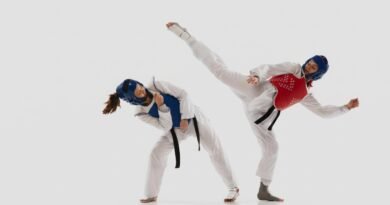
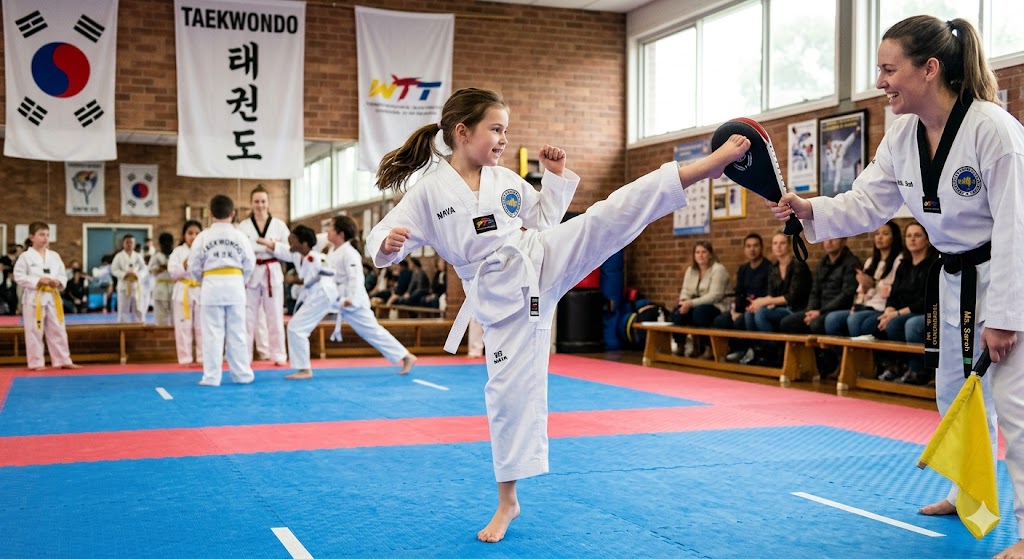
Kicks and Strikes: A front kick, side kick, and turning kick are usually used at this level. Get your chamber and extension, then snap them together. A well-executed, albeit slow, kick consistently yields a higher score compared to a fast and loose kick.
Blocks: Low block, middle block, and rising block are normally needed. Get used to them until they become automatic.
Poomsae (Patterns): The first official pattern in the Taekwondo world system (Taegeuk Il Jang) is required in most of the tests of the yellow belt. It is a sequence that involves a combination of stances, blocks, and strikes in a given order. Study it line by line and do it gradually, and then gradually pick up the pace.
Breaking (Optional): A simple break at the yellow belt level is commonly a front kick or knife-hand strike, found in some schools. In case your school needs it, practice on a pad to start with so that you feel confident.
Top Tips to Pass Your Yellow Belt Test
Start preparing early. Do not put it off until the week before. Have two to three weeks of dedicated practice before your day of grading.
Record yourself. Record your patterns and techniques using your phone. One of the quickest methods of identifying some mistakes you cannot even feel at the time is watching yourself.
Request your teacher to provide you with a response. Your teacher does not want you to fail. Make sure you are not shy about inquiring about what you need to improve the most prior to the test.
Practice your breathing. Your nerves may strangle your breathing and influence your performance. Breathe deeply at every point of the test; remain relaxed.
Show your spirit. Kihap (the Taekwondo yell) is not just noise—it shows confidence, power, and focus. Use it with every technique during your test.
Final Thoughts
The Taekwondo Yellow Belt test is a proud moment in every martial artist’s journey. It indicates that you have committed to something, put in the work, and earned the right to move forward. Stay focused, trust your training, and give it everything you have on the day.
FAQ
Q1: How long does it take to prepare for a yellow belt test?
Most students train for six to eight weeks after starting at white belt before they’re ready to test for yellow belt, though this varies based on how often you attend class.
Q2: What is Taegeuk Il Jang?
Taegeuk Il Jang is the first official poomsae (pattern) in the World Taekwondo system. Yellow belt students are typically required to demonstrate this pattern with clean stances, blocks, and strikes.
Q3: Is board breaking required for the yellow belt test?
Board breaking is often optional at the yellow belt level in many schools, though some organizations do include a simple break as part of the requirements. Check with your specific dojo, since requirements vary.
Q4: What happens if I fail my yellow belt test?
Most instructors will give specific feedback on what to improve and allow you to retest within a few weeks. Failing a belt test is common and simply means more practice is needed in one or two areas—it’s not a setback in the bigger picture.
Q5: What should I focus on most before the test?
Prioritize clean stances and consistent kicks and blocks over speed. Instructors are typically looking for control and correct form rather than power at this early stage.