Taekwondo Green Belt: Meaning, Requirements & Training Guide
The Taekwondo Green Belt level is a turning point in Taekwondo. You’re not just starting to learn basic stances; you’re developing technique, control, and discipline that will take you to black belt. This is the definitive guide to the green belt for any green belt yourself or parent seeking to learn more about the stage.
What the Green Belt Represents
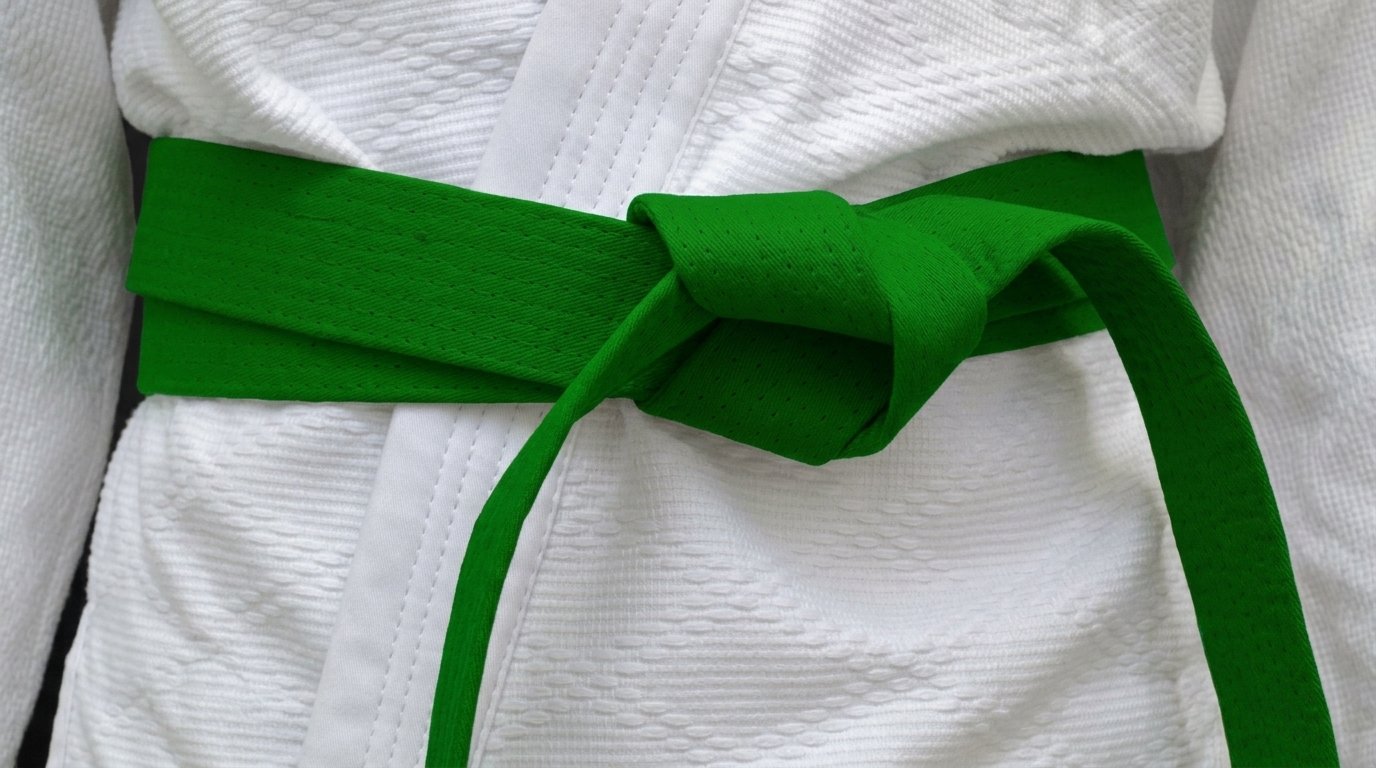
The green belt is considered to be in the middle of the color-belt rank system in World Taekwondo (WT), which is earned after white, yellow, blue or orange belts, depending on the school. The green color represents growth; as the plant grows through the soil, the student’s abilities are now clearly advancing beyond the basic level. That’s when training becomes more than just memorizing moves and starts to feel like it’s more of a martial art.
Many teachers refer to the green belt as the time when “the training wheels” are removed. Students are expected to begin to consider technique quality, rather than just the completion of the movements.
What You’ll Learn as a Green Belt
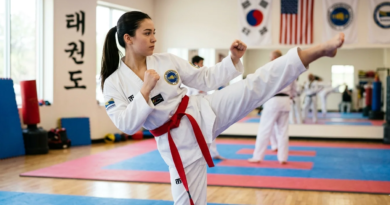
New kicks and combinations—Many schools introduce spinning and jumping kick variations at this stage, building on the front, side, and roundhouse kicks learned earlier.
Taegeuk Sam Jang—The third official poomsae (pattern) in the WT curriculum. It introduces more dynamic stances, faster transitions, and combinations that require better balance and timing than earlier patterns.
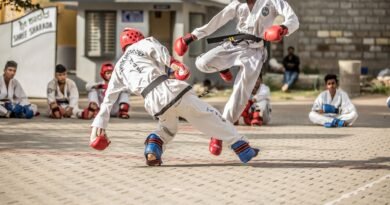
Increased sparring intensity—Sparring becomes more controlled and contact and a faster pace. Students are expected to manage distance and timing more independently, without constant correction from the instructor.
Self-defense fundamentals—Basic wrist grabs, releases, and simple counter techniques—are commonly introduced around this level in many curricula.
Board breaking—Green belt is often where students attempt their first real board break, usually with a front kick or side kick.
Requirements to Test for Green Belt
Most schools expect green belt candidates to train for four to six months at the previous rank before testing, though this varies significantly by organization and how often a student attends class.
| Category | What’s Typically Tested |
|---|---|
| Pattern | Taegeuk Sam Jang, performed with clean stances and sharp transitions |
| Sparring | Controlled sparring showing improved timing and distance control |
| Breaking | A basic board break, often with a front or side kick |
| Terminology | Korean terms for techniques and stances covered so far |
| Physical conditioning | Push-ups, sit-ups, and flexibility appropriate to the student’s age group |
Pro Tip: Instructors consistently say the biggest gap at grading isn’t power—it’s precision. A slower, correctly executed pattern will score better than a fast, sloppy one.
Common Mistakes at Green Belt
Students at this stage often rush their forms to look advanced, sacrificing precision for speed. This is one of the most common notes instructors give during grading feedback.
Another frequent mistake: neglecting stance width and depth. As kicks and combinations get more complex, students sometimes let their basic stances drift, undoing habits built at the white and yellow belts.
Common Mistake to Avoid: Don’t skip conditioning work between classes. The jump in physical demand from yellow to green belt catches many students off guard. Light home practice of stances and stretching makes a noticeable difference.
How Green Belt Compares to Earlier Ranks
Unlike the white or yellow belt, where the focus is almost entirely on learning new material. The green belt asks students to start refining what they already know while adding complexity. It shifts from “learning the basics” to “sharpening the basics while building on them.”
What Comes Next
After green belt, most students move toward blue or purple belt (depending on the school’s ranking order), continuing to build power, speed, and the mental discipline needed for the demands of Red Belt and eventually black belt. The jump in difficulty from here on tends to be more noticeable, so consistent practice between classes becomes increasingly important.
Final Thoughts
The green belt is where taekwondo starts to feel like a genuine skill rather than a series of steps to memorize. Students who slow down and focus on correct technique—rather than rushing to the next belt—tend to progress faster in the long run, simply because they’re not relearning bad habits later.
FAQ
What is Taegeuk Sam Jang?
Taegeuk Sam Jang is the third official poomsae in the World Taekwondo system, taught at the green belt level. It introduces faster combinations and more dynamic stance transitions than earlier patterns.
How long does it take to reach the green belt?
Most students reach green belt within one to one and a half years of consistent training, depending on how their school structures belt progression and how often they attend class.
Is a green belt considered intermediate or advanced?
A green belt is generally considered an intermediate rank—past the basics but still with significant technical development ahead before black belt.
Do green belts spar with full contact?
Most schools keep sparring at green belt controlled contact rather than full contact, though intensity and speed increase compared to earlier ranks.
What’s the biggest challenge at Green Belt?
Most instructors point to consistency—balancing the complexity of new techniques while maintaining the precision built at earlier belts, without rushing through material to reach the next rank.